



Scar & Skin Camouflage Prague — Scars, Stretch Marks, Burns, Vitiligo
A scar doesn’t have to define who you are. Skin camouflage is a modern corrective dermapigmentation method that helps conceal scars, stretch marks, vitiligo, burns, rosacea, and the aftermath of plastic surgery. Special camouflage pigments matched to your natural skin tone create a result that is virtually invisible — without surgery, without laser, comfortable thanks to topical anaesthesia. Permanent skin camouflage replaces daily concealer application with a long-lasting, natural solution.
Scar camouflage in Prague helps women, men, and children alike. We treat surgical scars, accident and trauma scars, stretch marks from pregnancy and weight changes, vitiligo, burns, and pigmentation irregularities. It is not just aesthetics — it is a path to freedom and confidence.
At AR aesthetics, skin defect camouflage is performed by founder Alesia Rybak, with more than 13 years of experience in micropigmentation. AR aesthetics is an accredited academy (MEYS, Ministry of Health, EUROPASS) — our specialists not only perform procedures but also train other professionals. Every treatment is individually tailored — from skin analysis to pigment selection and application technique.
Call (+420) 776-781-788, email [email protected], or visit us at Na Cecelicce 855/7, Smichov, Prague 5.
More than aesthetics — camouflage changes lives
A scar on the body often means a scar in the soul. People with visible scars, stretch marks, or vitiligo avoid swimwear, short sleeves, and social events. They live in constant stress of daily concealment. Permanent skin camouflage changes this.
- Restored confidence — clients stop hiding their body under clothing. They can wear what they want without worrying about stares.
- Freedom from daily cover-up — no more applying concealer every morning. Camouflage lasts for years.
- Leaving trauma behind — the visual reminder of an accident, surgery, or illness fades away. Clients describe a feeling of relief and a fresh start.
- Helping children — children can also be treated (healed, smooth scars). No more teasing or bullying because of visible scars.
- Men are welcome — scar camouflage, stretch mark treatment, and skin defect correction are perfectly natural choices for men. Sports injuries, surgical scars, stretch marks from weight training — we handle everything discreetly and professionally.
We don’t just help with the visual aspect — we help people feel comfortable in their own skin again.
Who is skin camouflage for?
Scar camouflage, stretch mark camouflage, skin repigmentation for vitiligo — corrective dermapigmentation addresses a wide range of situations. Looking for a way to permanently cover scars? See if you recognise yourself in any of the categories below.
A. Surgical scars
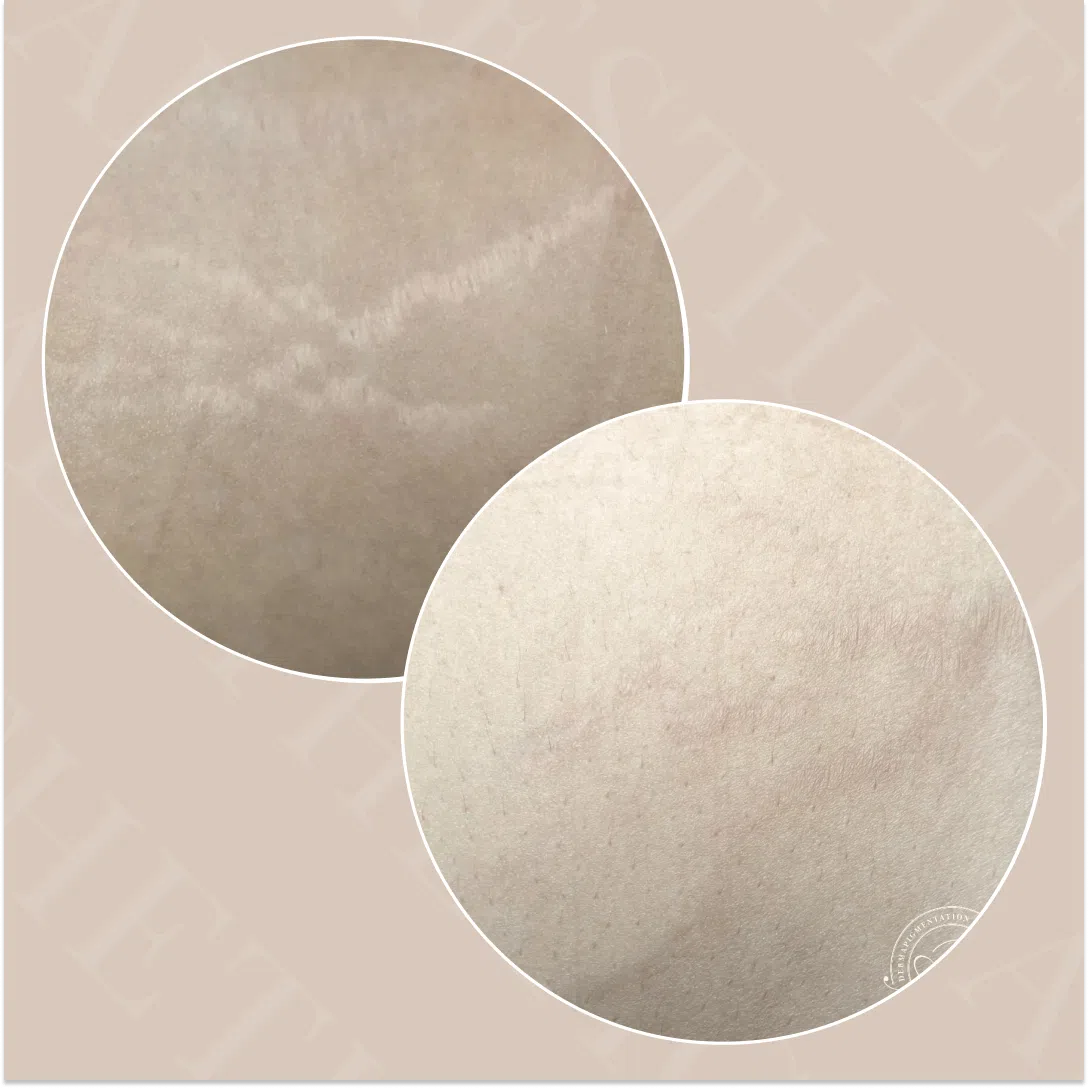
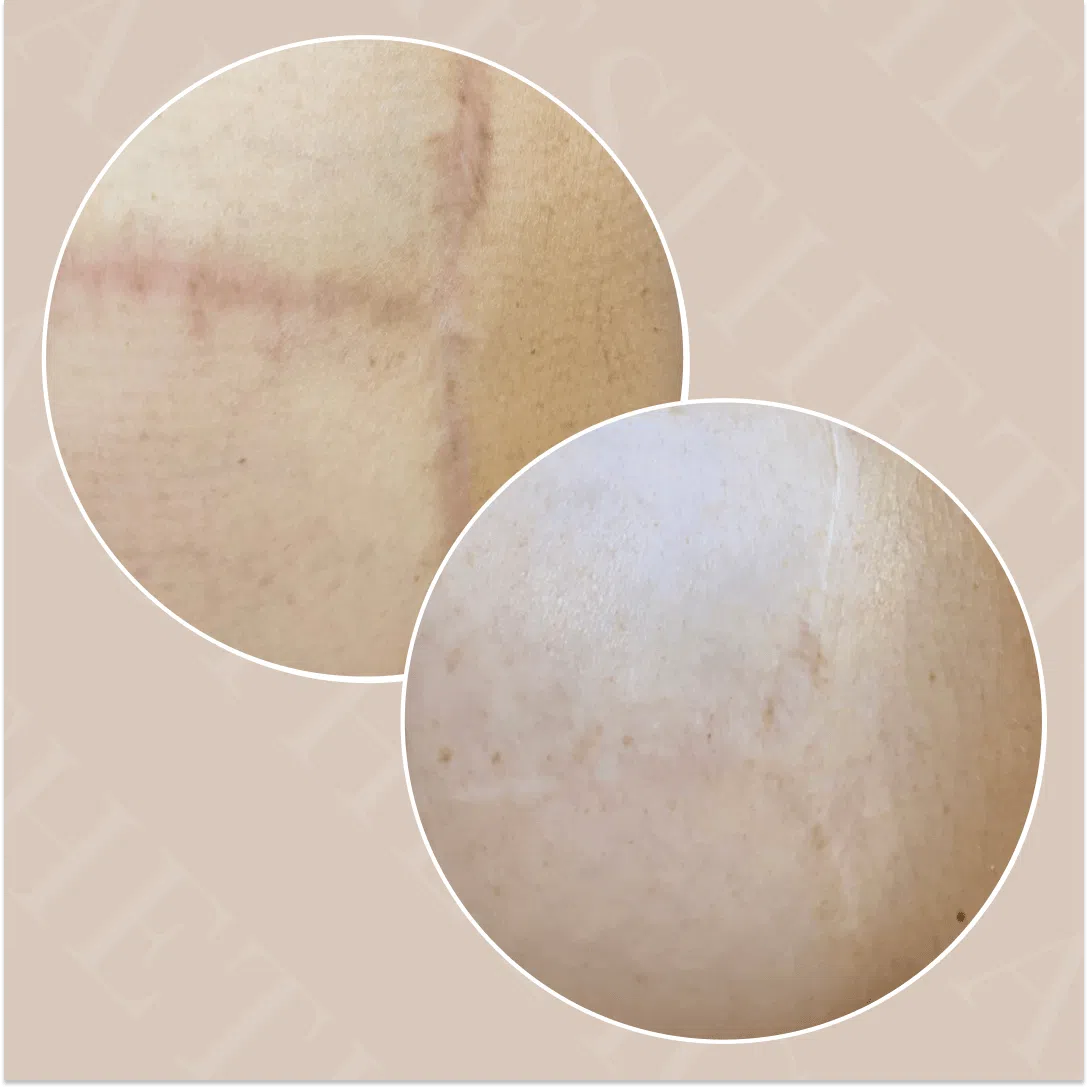
Surgical scars are one of the most common reasons clients come to us. If the scar is healed (at least 1 year), smooth, and flat — we can help.
- Scars from plastic surgery — scar camouflage after blepharoplasty (eyelid surgery), abdominoplasty, facelift, rhinoplasty, mammoplasty, and liposuction. The plastic surgeon removes the imperfection — we remove its last trace.
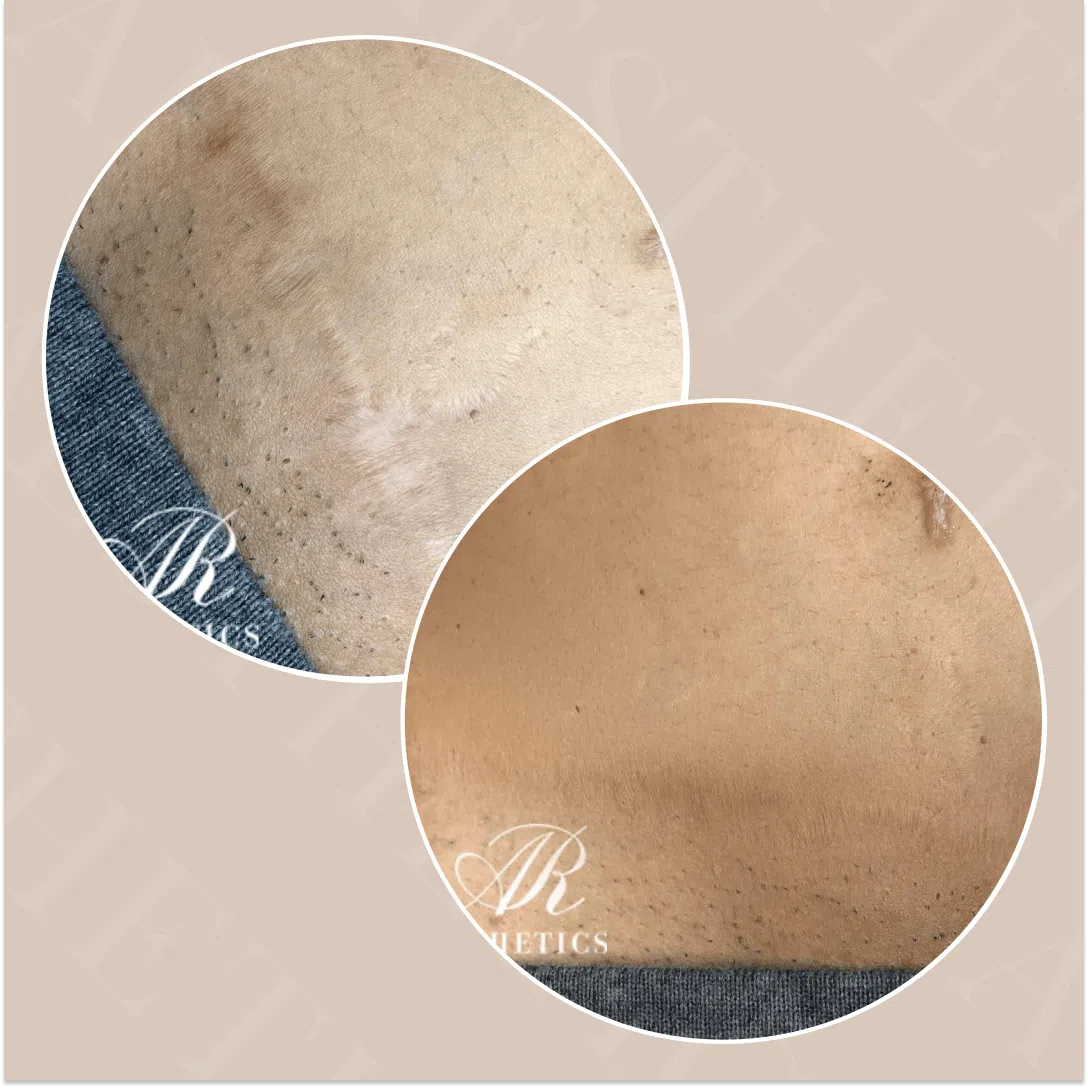
- Hair transplant scars — linear scars from FUT and small scars from FUE can be effectively concealed with dermapigmentation matched to skin colour. For thinning areas, we also offer scalp micropigmentation.
- C-section scars — one of the most common scars in women. Camouflage restores a natural appearance to the abdomen.
- Appendectomy, laparoscopy, cardiac surgery scars — any healed surgical scar on the face or body.
B. Accident and trauma scars
An injury scar is not only a visual but also an emotional reminder of an event you want to leave behind. Camouflage helps you move on.
- Car accident scars — face, hands, body. Dermapigmentation helps people after traffic accidents return to normal life without constant concealment.
- Sports injuries — scars from falls, fractures, sports-related surgeries.
- Injury scars — cuts, lacerations, and other traumatic scars after full healing.
C. Burns — burn scar camouflage and scar tissue smoothing
Burn scars are among the most challenging aesthetic concerns — they affect both skin colour and texture and are often extensive. Burn scar dermapigmentation offers a dual effect: the camouflage pigment unifies skin colour with the surrounding area, while the micro-needling effect naturally smooths the surface of scar tissue. Fine micro-needles stimulate new collagen production, softening the scar structure and evening out transitions between scarred and healthy skin.
Unlike laser treatment, which improves texture but cannot unify the colour of white scars, dermapigmentation addresses both at once — colour and surface. A non-surgical burn scar treatment with no downtime, comfortable thanks to topical anaesthesia.
- Burns on hands and arms — one of the most visible locations. Hand burn camouflage allows you to wear short sleeves without concern.
- Burns on face and neck — aesthetic correction of facial burns requires maximum precision. Pigment matched to surrounding skin creates a natural result.
- Burns on the body — abdomen, chest, back, legs. Larger areas are treated gradually over several sessions.
- Burns in children — scalding, contact burns. After full healing (min. 1 year), even childhood burns can be effectively camouflaged. No more teasing and hiding.
- Old burns — even scars decades old can be treated, provided the surface is stabilised and smooth.
Requirement: the burn scar must be fully healed (at least 1 year), stabilised, and preferably flat. Keloid (raised, firm) scars cannot be treated. We assess suitability during a free consultation or based on a submitted photo.
D. Stretch marks — how to permanently get rid of stretch marks
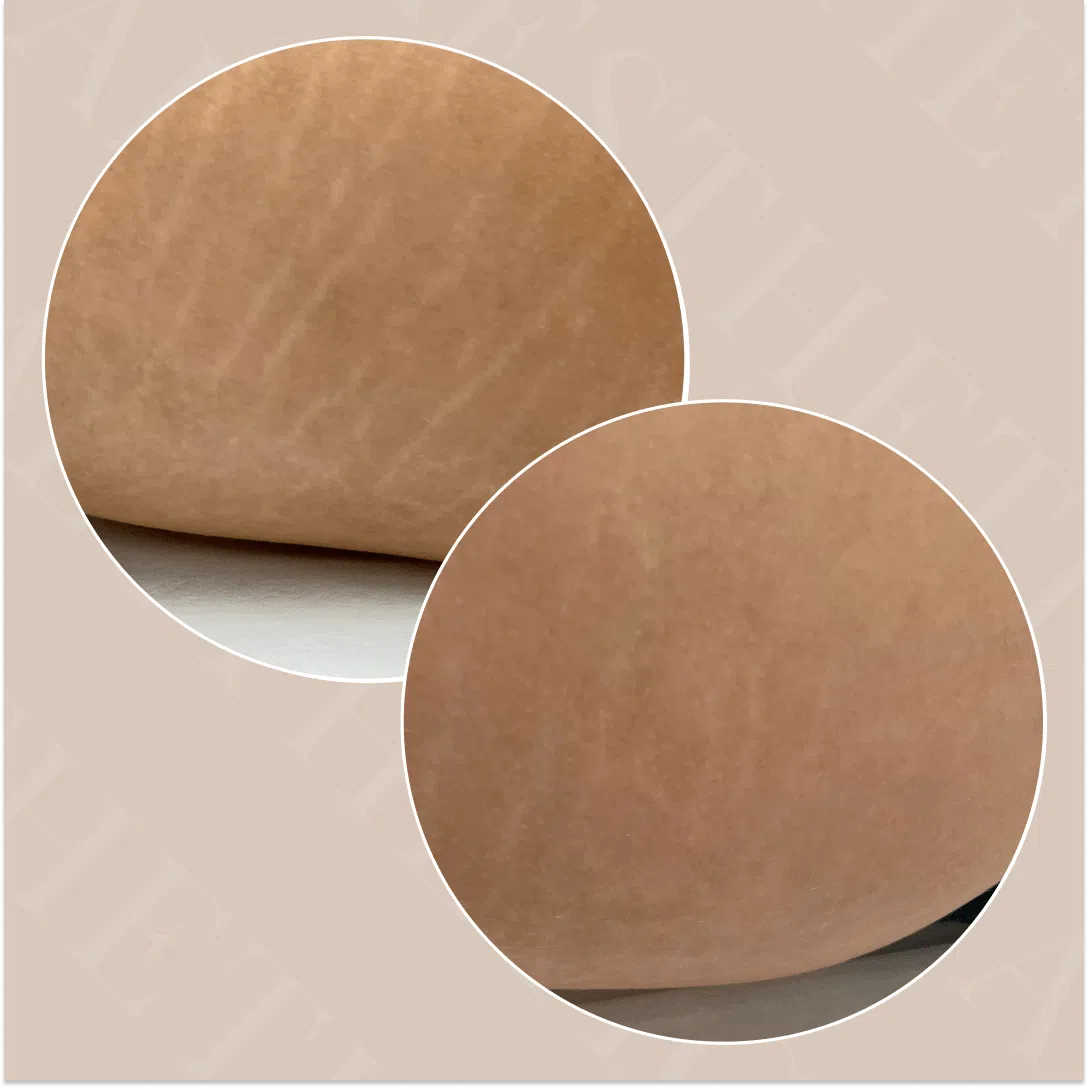
Stretch marks develop during rapid body changes — after pregnancy, weight loss, or muscle gain. Stretch mark camouflage through dermapigmentation unifies skin colour so they become virtually invisible.
Why dermapigmentation and not laser or creams? Stretch mark creams only work on fresh (red) stretch marks and their effectiveness is limited. Laser treatment improves texture but cannot unify the colour of white (mature) stretch marks. Stretch mark camouflage with pigment is the only method that can make white stretch marks visually invisible — pigment precisely matching your skin tone fills the depigmented areas and the result lasts 1–3 years.
- Pregnancy stretch marks — on the abdomen, breasts, hips, and thighs. Post-pregnancy stretch marks are one of the most common reasons clients visit us. Dermapigmentation restores an even skin tone — no more hiding under swimwear or clothing.
- Weight change stretch marks — after weight loss, dieting, or bariatric surgery. Rapid weight loss leaves white stretch marks that neither creams nor exercise can remove.
- Sports and bodybuilding stretch marks — rapid muscle growth leaves stretch marks on shoulders, arms, chest, and thighs. Stretch mark camouflage for men is discreet and natural — no one will know you had the procedure.
- Puberty stretch marks — stretch marks from rapid growth during adolescence. Commonly on thighs, back, and hips.
Requirement: stretch marks must be mature (white). Fresh red or purple stretch marks need to mature first — pigment is applied only to stabilised skin.
E. Vitiligo — skin repigmentation through dermapigmentation
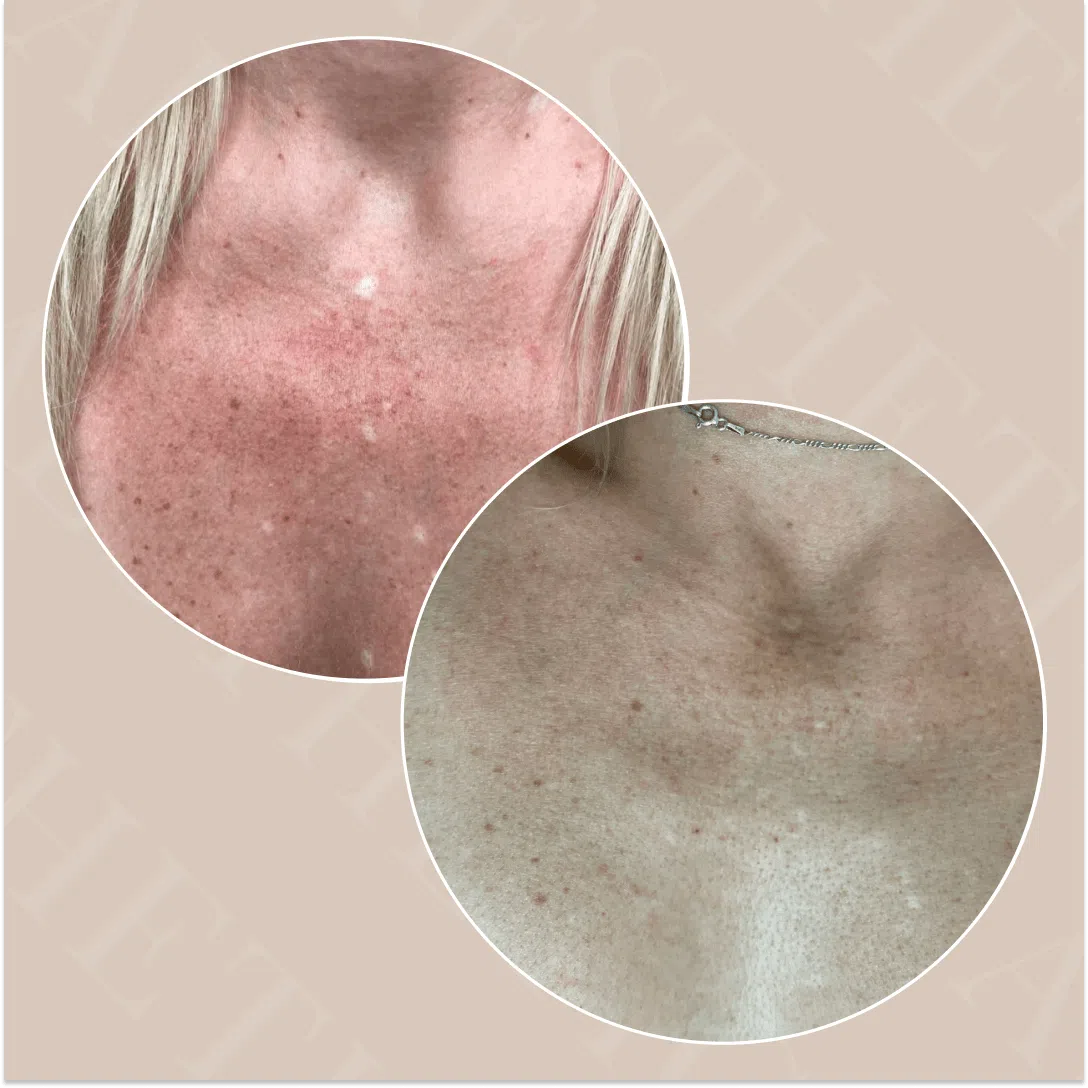
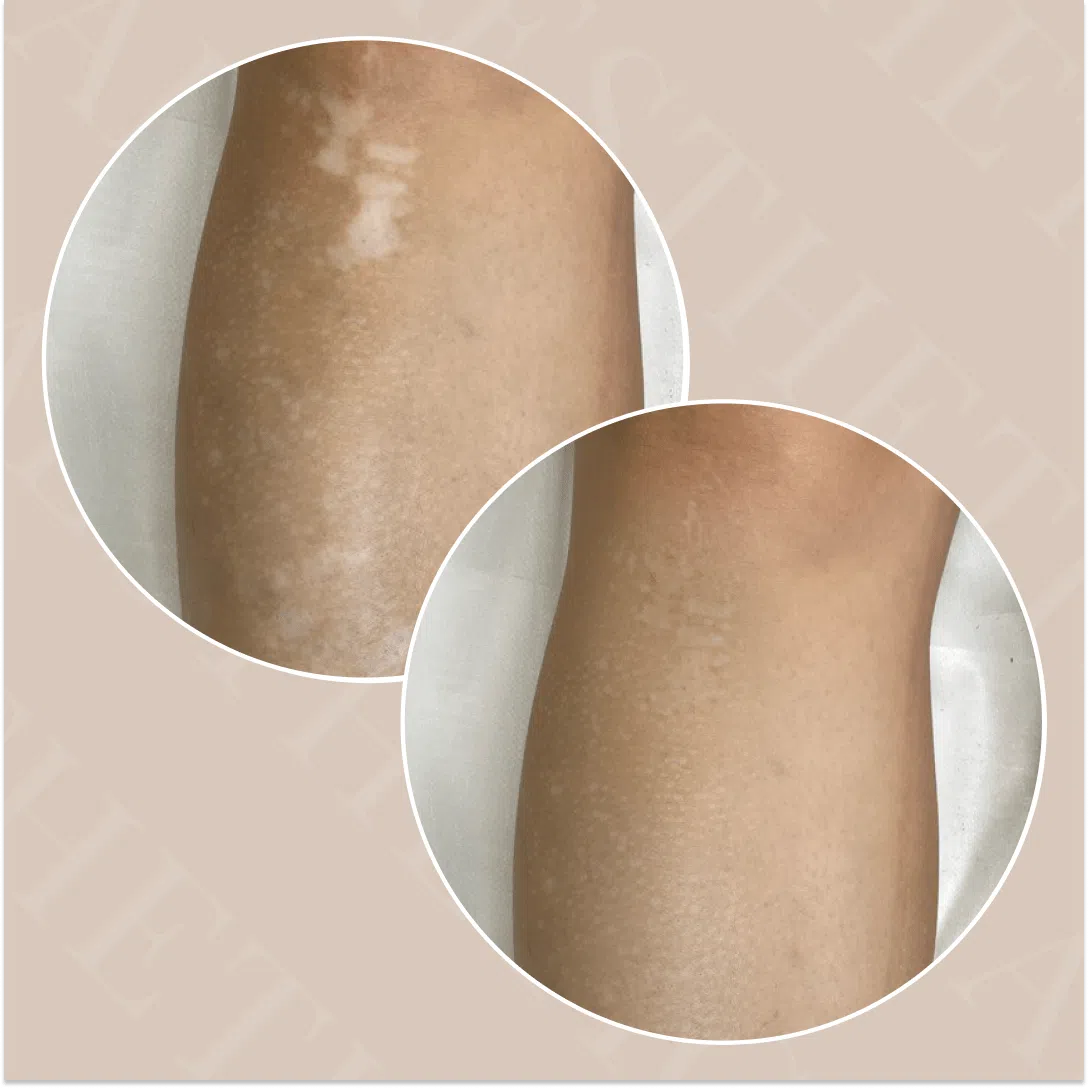
Vitiligo presents as white patches on the skin caused by pigment loss. Skin repigmentation through dermapigmentation unifies the skin tone — pigment precisely matching your shade covers the depigmented areas. Vitiligo camouflage is a permanent alternative to cosmetic concealment of white patches.
- Vitiligo on the face — camouflage of white patches around the eyes, mouth, and forehead.
- Vitiligo on the hands — one of the most visible and common vitiligo locations.
- Vitiligo on the body — larger areas can be addressed in stages over several sessions.
Important: vitiligo camouflage is most effective for stabilised vitiligo, where patches are no longer expanding. Our specialist assesses suitability during a free consultation.
F. Rosacea and couperose
Visible dilated capillaries and redness on the face can be concealed with camouflage pigment matched to the skin tone. The result is natural and long-lasting.
- Dilated capillaries on the nose and cheeks — red veins that cannot be covered with regular makeup.
- Persistent redness — evening out skin tone in affected areas.
Camouflage masks the visual signs of couperose — it does not replace dermatological treatment but complements it with a permanent aesthetic solution.
G. After plastic surgery — the final step to perfection
Plastic surgery removes the imperfection but often leaves scars behind. Aesthetic camouflage is the final step — making post-surgery scars virtually invisible.
- After blepharoplasty (eyelid surgery) — camouflage of fine scars in the eyelid crease.
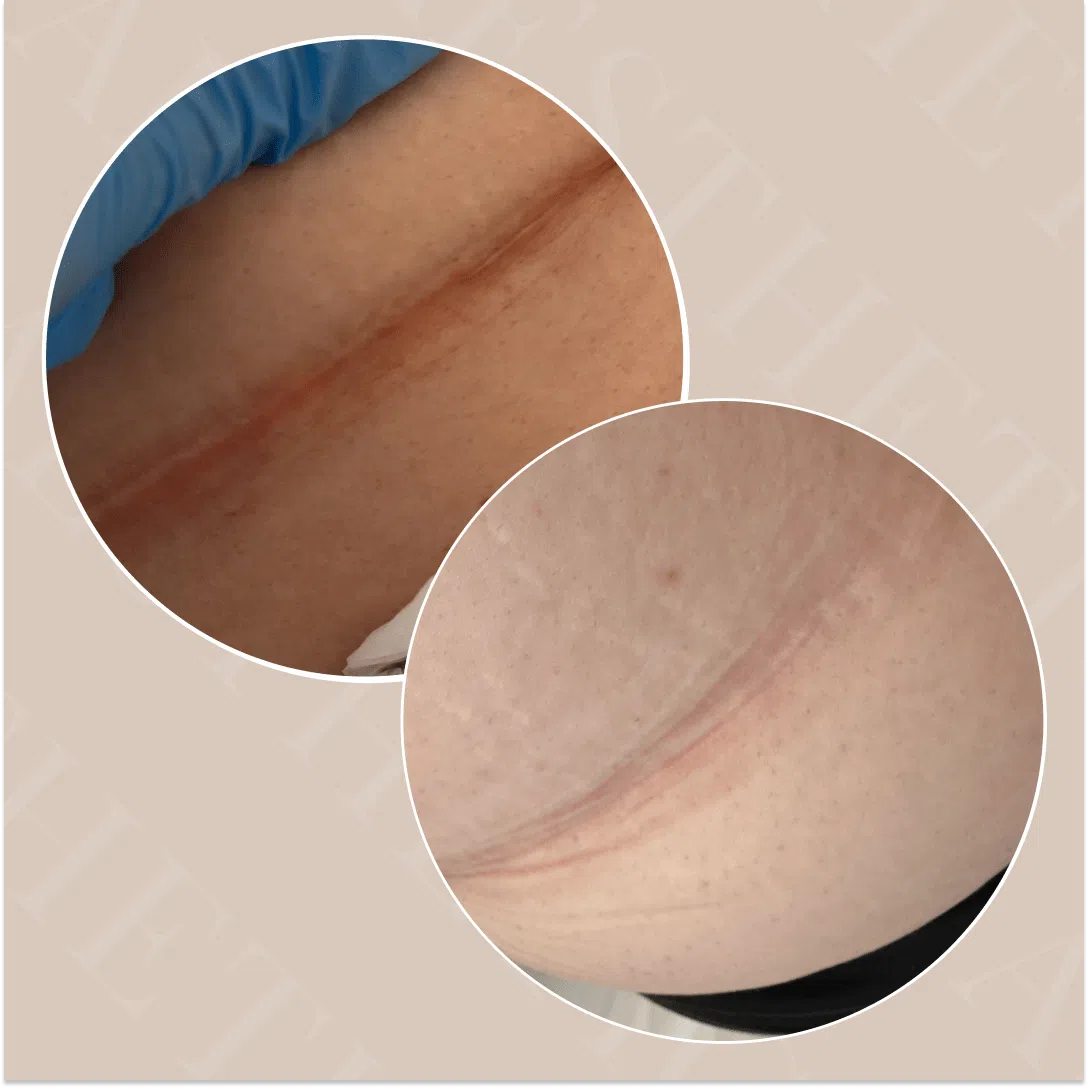
- After abdominoplasty (tummy tuck) — concealing the long scar on the lower abdomen.
- After mammoplasty (augmentation, reduction, mastopexy) — camouflage of scars around the areola and under the breasts. For areola dermapigmentation itself, we offer a specialised procedure.
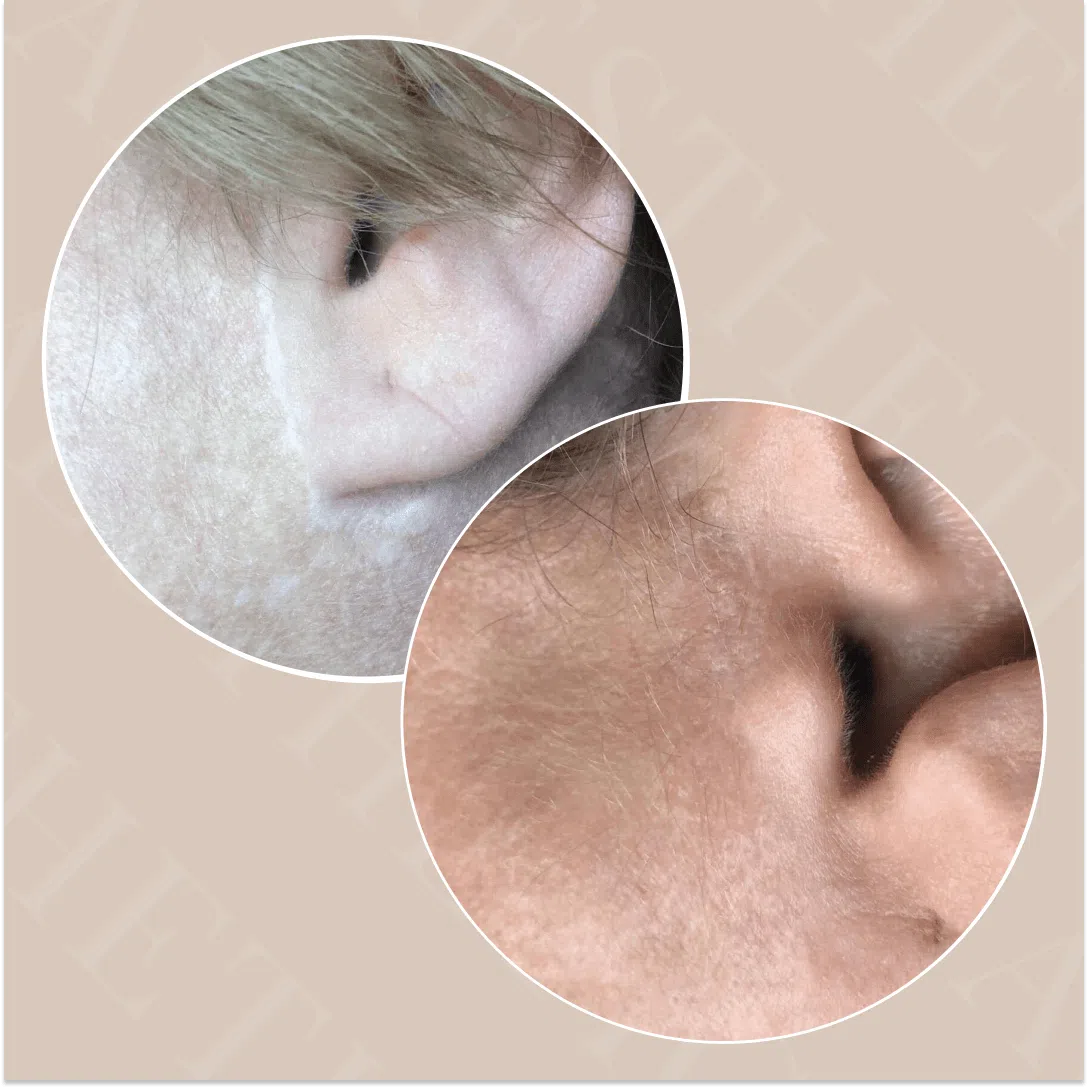
- After facelift and rhinoplasty — fine scars behind the ears, near the nose, or on the chin.
- After liposuction — small scars from cannulas on the abdomen, thighs, and arms.
H. Pigmentation irregularities
Uneven skin tone after injury, surgery, or inflammation can be unified with camouflage pigment.
- Post-traumatic hyperpigmentation — dark spots at the site of a healed wound.
- Post-inflammatory depigmentation — white areas where the skin has lost its natural pigment.
- Uneven tone after surgery — visual unification of skin colour around the scar.
Why clients choose AR aesthetics
- Alesia Rybak — founder with 13+ years of experience in micropigmentation, accredited MEYS trainer. Thousands of satisfied clients.
- Accredited academy — MEYS, Ministry of Health, and EUROPASS certifications. Our specialists not only perform procedures but also train other professionals.
- 4.9 out of 5 on Altegio — 488 reviews from real clients. Read reviews and 4.9/5 on Altegio (488 reviews)
- Medical-grade approach — sterile conditions, certified German pigments, individual shade selection based on skin phototype, topical anaesthesia.
- Specialising in camouflage — this is not a side service. Skin defect camouflage is one of the core specialisations at our clinic.
- Prague 5 — Smichov — convenient location in the city centre, Bertramka tram stop. How to find us
Portfolio — before and after
Results of aesthetic skin defect camouflage. All photographs are from real AR aesthetics clients.
Skin camouflage prices in Prague
| Scar and skin imperfection camouflage | 4 000–17 000 CZK |
| Vitiligo camouflage | 7 000 CZK/hr |
| Touch-up (within 3 months) | 50 % of the initial procedure price |
| Touch-up (3–12 months) | 70 % of the initial procedure price |
| Touch-up (12–18 months) | 80 % of the initial procedure price |
| Vitiligo touch-up | 70 % of the initial procedure price |
| Free consultation | 0 CZK |
The exact price is determined individually based on the extent and location of the defect. Send a photo or come for a free consultation. Full price list for all services →
The entire process is comfortable thanks to topical anaesthesia in the form of a numbing cream. Procedure duration depends on the area — from 45 minutes to 2 hours.
-
Step 1 — Consultation
Assessment of the scar or defect, skin type analysis, discussion of expectations. For larger areas, we recommend a test on a small area first.
-
Step 2 — Pigment selection
Individual mixing of the camouflage shade to precisely match your natural skin tone.
-
Step 3 — Anaesthesia
Application of topical anaesthesia — a special numbing cream ensures comfort throughout the entire procedure.
-
Step 4 — Procedure
Precise layer-by-layer pigment application into the upper layers of the skin (depth 0.3–0.5 mm).
-
Step 5 — Aftercare and touch-ups
Healing instructions provided. You can return to normal activities within 7–10 days. Planning for 2–3 touch-ups at 1–3 month intervals to achieve optimal results.
When does camouflage work best
Aesthetic skin camouflage achieves the best results under these conditions:
- The scar is fully healed — at least 1 year after surgery or injury, ideally longer. Fresh scars cannot be treated.
- The surface is smooth and flat — if the scar is smooth to the touch (not raised or keloid), we can definitely help.
- Stretch marks are white (mature) — fresh red/purple stretch marks need to mature first. White stretch marks are ideal for camouflage.
- Vitiligo is stabilised — patches are no longer expanding and no new ones are appearing.
What camouflage is not: Permanent skin camouflage does not remove scars — that is the role of surgery or laser. Corrective dermapigmentation makes scars and defects visually invisible using pigment matched to the skin. It is a non-invasive method with minimal downtime. Results last 1–3 years and can be refreshed.
Method comparison — camouflage vs laser vs creams
| Camouflage (dermapigmentation) | Laser | Creams | Surgery | |
|---|---|---|---|---|
| Colour unification | permanent unification | does not change colour | temporary cover | does not change colour |
| Texture smoothing | micro-needling effect | yes | no | yes |
| Discomfort | minimal (anaesthesia) | moderate–high | none | high |
| Downtime | 7–10 days | 2–4 weeks | none | weeks–months |
| White scars / stretch marks | visually invisible | does not change colour | temporary cover | new scar |
| Longevity | 1–3 years (refresh) | repeated sessions | daily application | one-time |
| Price | 4 000–17 000 CZK | 5 000–30 000 CZK | 500–3 000 CZK/mo. | 20 000–100 000 CZK |
Frequently asked questions
How much does scar camouflage cost in Prague?
Is scar camouflage uncomfortable?
How long does the camouflage result last?
Can you camouflage stretch marks on the abdomen or thighs?
Does camouflage help with vitiligo?
Can I come with a scar from plastic surgery?
Is scar camouflage suitable for men?
Can children’s scars be treated?
How does camouflage differ from scar removal?
How many sessions are needed?
Can burn scars be camouflaged?
How to prepare for the procedure
Before the aesthetic camouflage procedure, follow these recommendations for the best result:
- Stop taking blood-thinning medications (aspirin, etc.) and vasoconstrictive agents 10 days before the procedure.
- Do not take antibiotics two weeks before or after the procedure.
- Avoid sunbeds and sunbathing 10 days before the procedure. Skin must not be sunburned — the specialist needs to see your natural skin tone for pigment selection.
- Do not consume alcohol, coffee, energy drinks, or spicy food 24 hours before.
- Do not smoke for at least 2 hours before the procedure.
- Do not apply creams or cosmetics to the treatment area.
Contraindications
Absolute contraindications
- Low-grade or high fever
- Exacerbation of any disease
- Blood disorders — thrombopathy, haemophilia, grade 2 hypertension
- Tendency to keloid scarring
- Keloid or hypertrophic (raised) scars in the treatment area
- Oncological diseases
- Common cold, acute inflammatory diseases
- Epilepsy
- Bronchial asthma
- Hepatitis, HIV, AIDS
- Presence of unknown growths, especially in the treatment area
- Mental disorders
- Surgical operations in the micropigmentation zone (1–6 months)
- Chemotherapy/radiotherapy
- First trimester of pregnancy
- Fresh (unhealed) scar — at least 1 year since occurrence
Relative contraindications
- Allergies and increased sensitivity to pigment components
- Dermatitis, acute pustular rashes in the treatment area
- Weakened immunity, post-operative rehabilitation period
- Use of corticosteroids, strong antibiotics, or anticoagulants
- Pregnancy in the second and third trimester — the procedure is possible only with a doctor’s consent and without anaesthesia.
- Breastfeeding — not recommended during the first month of lactation.
- Active vitiligo (patches are still expanding) — we recommend waiting for stabilisation.
Aftercare
The final result depends at least 50% on following all aftercare instructions. Complete skin regeneration takes 30 days.
- On the day of the procedure, treat the camouflaged area with a cotton pad soaked in Corsodyl solution for 5 days.
- Redness or mild swelling may appear 1–2 days after the procedure — this is a normal reaction.
- Until scabs fall off, avoid swimming pools, saunas, and steam baths. Do not get the treated area wet.
- Do not touch, rub, scratch, or pick at the scabs.
- Do not apply creams or decorative cosmetics to the treated area until healed.
- Do not expose the treated area to sunlight for three weeks. Use SPF 30+ sunscreen.
- In the 7–10 days after the procedure, pigment colour appears more intense. It will then settle to its natural level.
You can return to normal activities within 7–10 days; complete skin regeneration takes 30 days. To achieve optimal results, 2–3 touch-ups at 1–3 month intervals are necessary. Without touch-ups, the procedure is considered incomplete.
Eyebrow micropigmentation | Lip micropigmentation | Eyelid micropigmentation | Scalp micropigmentation | Areola dermapigmentation | Dark circle camouflage | Permanent makeup removal | Price list | Contact | Academy